
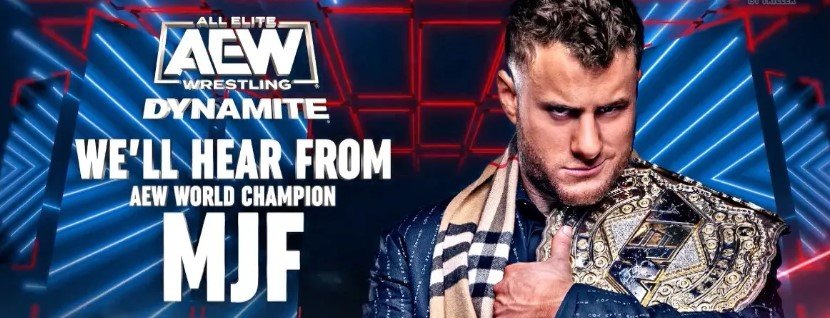
In an era where wrestling villains often blur into anti-heroes, Maxwell Jacob Friedman stands apart. Known globally as MJF, he doesn’t chase cheers—he weaponizes boos. Inside All Elite Wrestling, MJF has crafted a character that feels authentic, uncomfortable, and unforgettable. This is not accidental heat or social-media noise; it’s deliberate, old-school villainy rebuilt for the modern audience.
From the moment MJF walks through the curtain, he controls the room. The scarf, the smirk, the stare—everything signals confidence bordering on contempt. Fans react instantly because they recognize something rare: a heel who wants to be hated and understands exactly how to earn it.
A Heel Who Understands Psychology
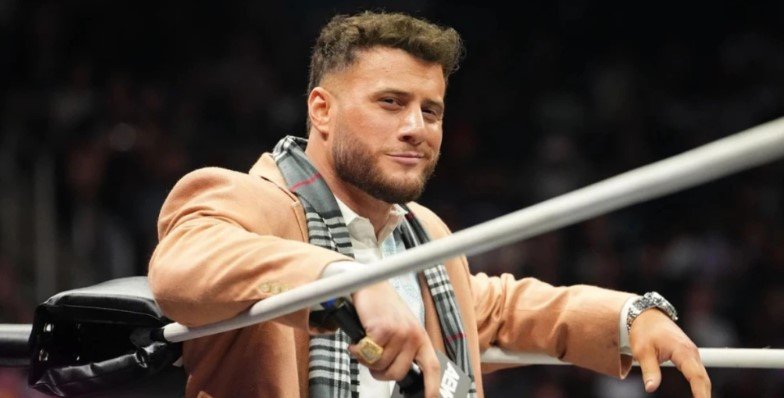
What separates MJF from most modern wrestlers is psychology. He doesn’t rely on catchphrases or cheap insults. Instead, he studies the crowd, reads their emotions, and then presses the right buttons. His promos feel personal because they often are—rooted in truth, insecurity, and timing. When he speaks, people listen, not because he’s loud, but because he’s precise.
MJF’s insults don’t float; they land. He pauses, lets the audience react, and then escalates. This pacing—borrowed from the great heels of the past—makes every segment feel important. Even fans who dislike him admit one thing: he never wastes a microphone.
AEW’s Long-Term Trust in MJF
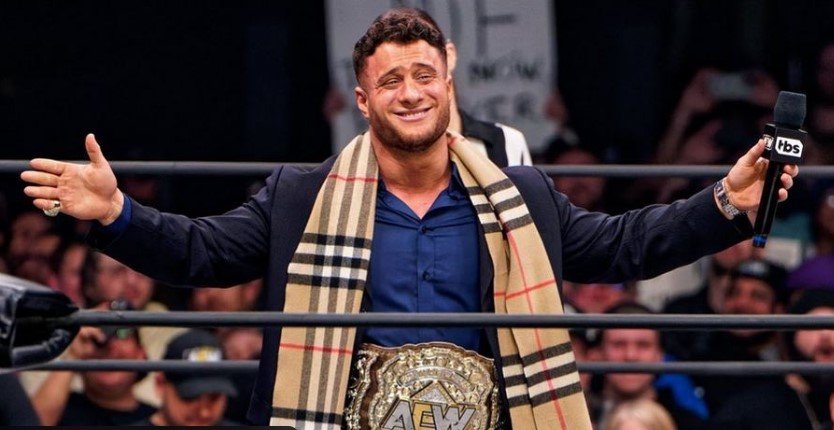
AEW’s biggest contribution to MJF’s rise has been patience. Rather than rushing moments, the company allowed his character to breathe. Storylines unfolded over months, sometimes years, creating payoffs that felt earned. This long-term approach amplified MJF’s credibility; when he finally captured championship gold, it felt inevitable rather than forced.
AEW positioned him as a centerpiece, not by overexposing him, but by protecting his aura. He doesn’t wrestle every week. He doesn’t chase validation online. Each appearance feels intentional, reinforcing the idea that when MJF shows up, something significant is about to happen.
In-Ring Work That Matches the Mouth
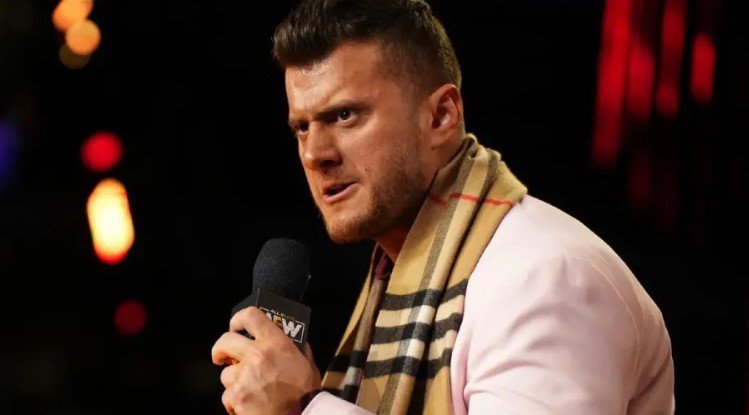
Critics once questioned whether MJF could back up his talk in the ring. Those doubts are gone. His wrestling style mirrors his character—methodical, slightly arrogant, and brutally efficient. He bends rules without turning matches into chaos, maintaining realism while still playing the villain.
What’s impressive is how adaptable he is. Against technical wrestlers, he slows the pace. brawlers, he frustrates them. Against high-flyers, he cuts them off. This versatility proves that MJF isn’t just a great talker; he’s a complete professional wrestler.
Why Fans Love to Hate Him
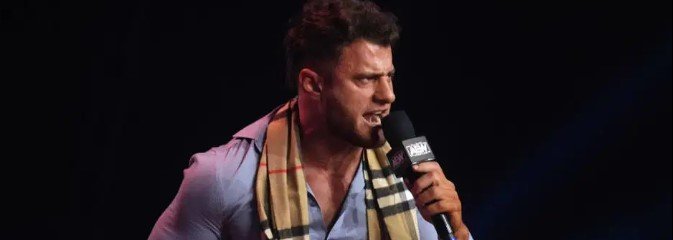
In today’s wrestling climate, fans often cheer villains who feel “cool.” MJF rejects that trend. He doesn’t want to be cool—he wants to be despised. That commitment creates a rare dynamic where boos feel genuine, not performative. The audience reacts emotionally, which is the highest compliment a heel can receive.
Social media amplifies his presence, but it doesn’t define it. MJF uses platforms as extensions of his character, never breaking immersion. That consistency keeps fans invested and fuels debates about whether he’s the last true heel in mainstream wrestling.
The Bigger Picture: MJF’s Legacy in the Making
MJF’s impact goes beyond AEW storylines. He has reshaped expectations for modern villains. Wrestlers now study his promos, his timing, and his restraint. Promoters see proof that audiences still crave traditional heel storytelling—when it’s done with intelligence and conviction.
As AEW continues to evolve, MJF remains a cornerstone. Championships may change hands, rivalries may end, but his character feels timeless. That’s the mark of greatness: relevance without reinvention.
Final Thought
MJF isn’t just playing a heel—he is the heel. In a generation crowded with noise, he stands out by saying less, meaning more, and never apologizing for it. Whether fans cheer or boo, one truth remains undeniable: MJF is must-watch wrestling, and his story is far from finished.
You may also read AEW Dynamite full results and storyline breakdown to see how MJF’s character fits into AEW’s long-term vision.