
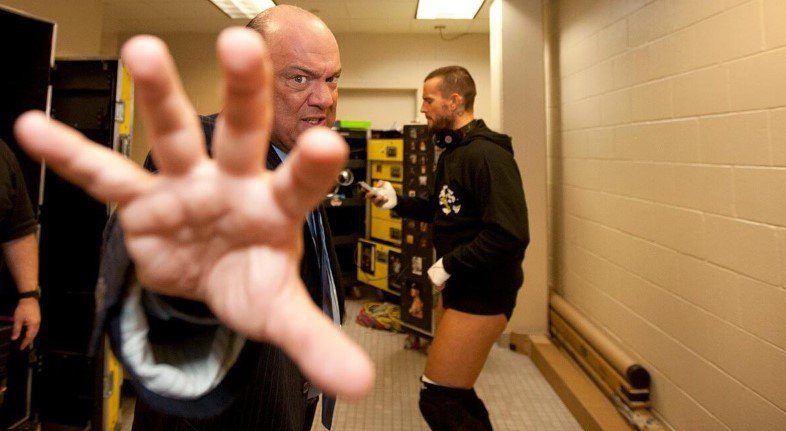
Backstage politics in WWE is not a myth—but it is also not as simple as fans often make it out to be. Over the decades, WWE has evolved from a promoter-driven territory system to a global entertainment giant. With that evolution, backstage politics have changed in form, power, and impact.
To truly understand whether backstage politics are real or exaggerated, we must examine both the historical context and the current WWE environment.
The Early Years: Politics as Survival (1980s–Early 1990s)
In the 1980s, backstage politics were not just real—they were essential for survival. Wrestlers were independent contractors traveling territory to territory, and protecting your spot meant protecting your income.
During this era:
- Top stars controlled their booking
- Losing clean could damage drawing power
- Wrestlers actively blocked others from rising
Hulk Hogan and the Golden Era
Hulk Hogan was the face of WWE’s national expansion. His creative control was rooted in business logic—Hogan was the brand.
However, this resulted in:
- Limited upward mobility for mid-card talent
- Wrestlers being denied title runs to protect Hogan’s aura
- Backstage influence determining main-event status
Politics here were open, accepted, and expected.
The New Generation & The Montreal Turning Point (Mid-1990s)
As WWE shifted away from the cartoonish Golden Era, real-life conflicts became more visible.
Bret Hart and the Montreal Screwjob
The Montreal Screwjob involving Bret Hart exposed WWE backstage politics to the public like never before. Contract disputes, trust issues, and executive decisions collided on live television.
This moment proved:
- Backstage politics could override storytelling
- Business decisions could humiliate talent publicly
- Creative control clauses had real consequences
From this point forward, fans became far more aware of WWE’s inner workings.
Attitude Era: Politics Hidden Behind Chaos (Late 1990s–Early 2000s)
Ironically, during WWE’s most chaotic on-screen era, backstage politics were strategic and quiet.
Top Stars, Different Politics
- Stone Cold Steve Austin had leverage due to ratings power
- The Rock gained protection as WWE’s crossover star
However, the Attitude Era also allowed organic stars to rise, reducing political bottlenecks.
Politics existed—but talent who drew money won arguments.
Ruthless Aggression Era: Corporate Politics Take Over (2002–2014)
As WWE became publicly traded, backstage politics shifted from wrestler-driven to corporate-driven.
John Cena and the Face of the Company
John Cena became WWE’s long-term franchise player. While highly professional, his positioning led to:
- Repeated halted pushes for others
- Talents being cycled into and out of relevance
- A perception of “chosen ones” vs everyone else
CM Punk and Systemic Frustration
CM Punk represented a different conflict—talent vs system. His frustrations weren’t about losing matches, but about:
- Lack of creative freedom
- Inconsistent long-term planning
- Management disconnect from audience reaction
His exit in 2014 highlighted institutional politics, not individual grudges.
Vince McMahon Era: Centralized Power Politics
Under Vince McMahon, politics were less about locker-room alliances and more about:
- One person’s vision
- Rapid creative changes
- Favoritism based on personal preference
This led to:
- Wrestlers being rewritten weekly
- Pushes ending overnight
- Fans assuming every loss was punishment
While not always political, the unpredictability created the perception of politics.
The Modern WWE: Triple H Era and Structural Change
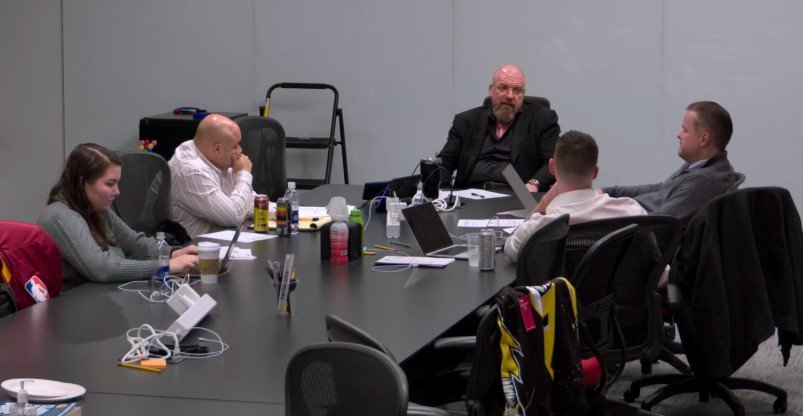
With Triple H leading creative, WWE has entered a markedly different phase.
How Politics Work Today
Backstage politics still exist—but they are:
- More structured
- Less personal
- More performance-based
Current creative trends emphasize:
- Long-term storytelling
- Consistency in character arcs
- Crowd reactions influencing booking
Superstars like Sami Zayn and LA Knight benefited because fans stayed invested—not because of backstage maneuvering.
Why Fans Still See Politics Everywhere
Modern fans are more informed than ever:
- Social media amplifies rumors
- Podcasts blur opinion and fact
- Wrestlers openly discuss past issues
This creates a situation where:
- Every loss is seen as punishment
- Every push is seen as favoritism
- Every absence sparks conspiracy
In reality, many decisions stem from injuries, contracts, branding, and long-term planning, not politics.
The Truth About WWE Backstage Politics
Backstage politics in WWE have never disappeared—they have evolved.
- In the past, politics were about survival and control
- In the corporate era, they were about branding and structure
- Today, they are about alignment with long-term vision
Politics influence WWE—but they no longer dominate it.
Final Takeaway
Backstage politics in WWE are real, historical, and unavoidable in a billion-dollar entertainment company. However, their role today is far more regulated and balanced than during previous eras.
The modern WWE is less about who has backstage power and more about who connects with the audience consistently over
You can also read the detailed breakdown of Gunther WWE – The Ring General’s rise is not a sudden WWE push
For deeper insight into WWE’s creative direction, don’t miss Paul Heyman’s Vision
To explore more WWE, sports, and entertainment coverage, checkout here for daily updates and analysis.
🔒 Disclaimer
Disclaimer: This article is based on publicly available information, interviews, reports, and general discussions found across the internet. It is written solely for informational and entertainment purposes. The content does not claim insider knowledge, nor is it intended to defame, misrepresent, or harm any individual, organization, or entity mentioned.
Pingback: How WWE Superstars Get Paid (Salary + Bonuses Explained) - Sports Arena
Pingback: Why WWE Fans Love Rivalries More Than Championships - Sports Arena